
Kanton-Messe, Phase 3: Maßgeschneiderte Textilien, Taschen und der richtige Fabrikmix
- Messe
- 140. Canton Fair
- Guangzhou
- 15. Oktober bis 4. November 2026
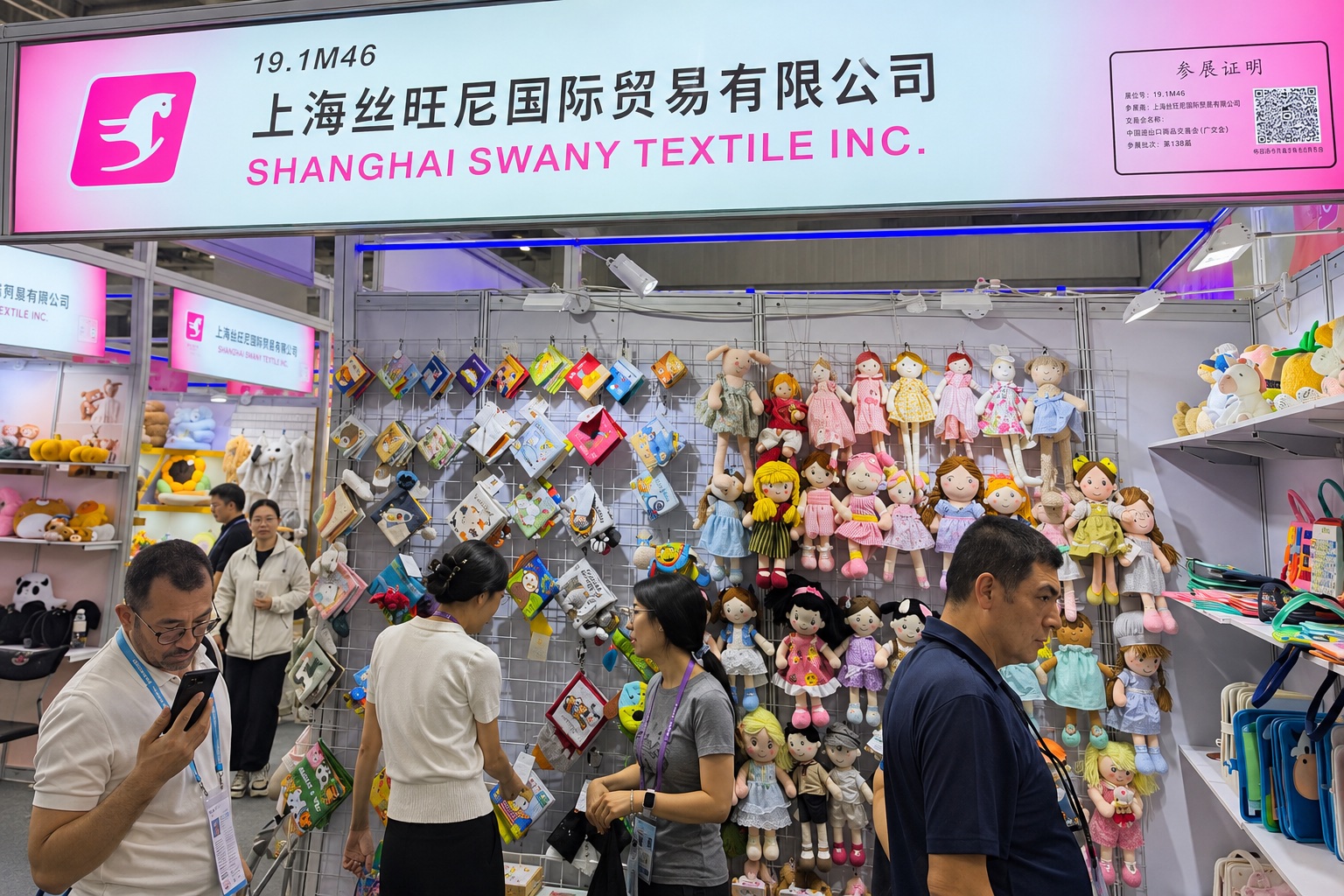 By Phase 3, the fair had shifted from spectacle to detailed conversations about products, components and production.
By Phase 3, we had largely stopped taking photographs.
That was not because there was less to see. It was because the visit had changed. The first days of a fair encourage exploration. By the final phase, the useful work happens in longer conversations, in samples spread across a table and in questions about how a product is actually made.
Textiles and bags were the biggest highlights. Not because one product solved everything, but because the possibilities for customization were so broad.
A product is a system
A bag may look like one product, but commercially it is a system of decisions: the shell, lining, structure, stitching, handles, zips, locks, hardware, colour, branding and packaging.
One supplier may make an excellent shell but offer ordinary hardware. Another may have the right lock or fastening but not the construction quality needed for the finished product. A third may already produce something very close to the intended design.
The opportunity is not always to find one catalogue item and place an order. Sometimes it is to understand which capabilities belong together and build a better product from them.
That requires a clear vision. Without one, customization becomes an endless collection of options. With one, the same network of suppliers becomes a practical development toolkit.
Textiles turn specifications into experience
Textiles make the relationship between specification and user experience especially visible. Two materials can look similar from a distance and behave very differently when touched, washed, filled or used in a warmer climate.
Cooling fabrics were a good example. The commercial question is not whether a sign says a quilt is cool or sustainable. It is what creates that effect, how it is tested, how long it lasts, and whether the claims can be supported in the target market.
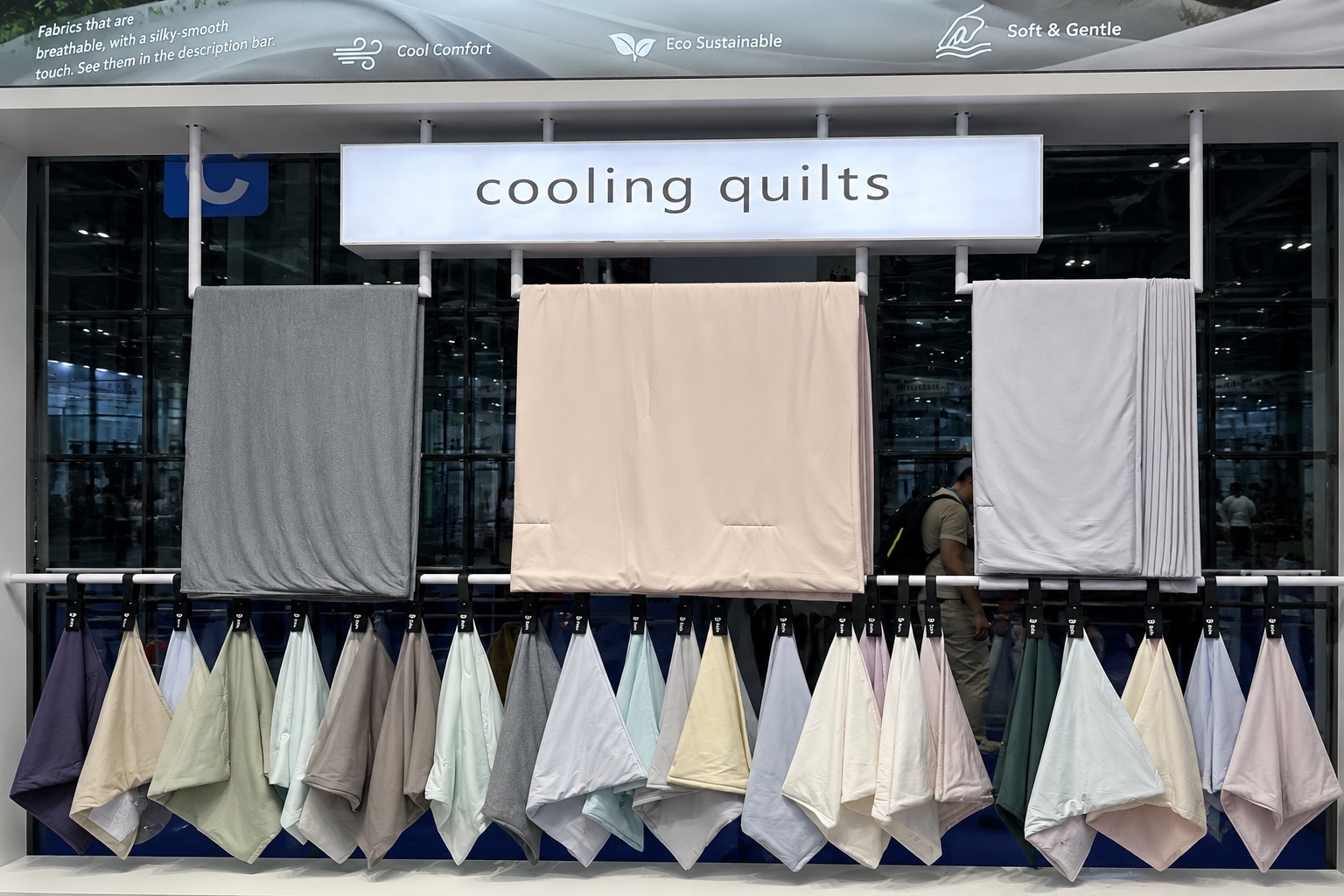 A product claim is the start of the evaluation. Materials, construction, testing and consistency still need to be verified.
The same applies to bedding, soft furnishings and other fabric products. Weight, weave, fibre content, dye consistency, stitching and finishing all affect the result. Samples help, but repeat production matters more than the best piece displayed at a stand.
Customization starts with better questions
The word "custom" can mean almost anything. It may describe a colour change, a printed logo, a different material, new dimensions or a product developed from the ground up.
Each level changes the cost, development time and minimum order quantity. It may also change who the right supplier is.
Before asking for a custom price, a buyer needs to define what must change and what can remain standard. The clearer the brief, the easier it is for a manufacturer to quote accurately and explain the trade-offs.
The same realism applies to pricing. A run of 100 pieces will not carry the same unit economics as 1,000. Tooling, sampling and production setup have to be paid for somewhere. The goal is not to force an impossible number. It is to find an order structure that supports a valid market test while respecting how the product is made.
Not everything needs to be reinvented
Customization attracted much of our attention, but some companies already had genuinely good products.
That matters. Developing every detail from zero can add time and risk without adding value. If an existing construction is strong, the better decision may be a selective change to material, colour, branding or packaging.
The commercial skill is knowing where a product needs invention and where it simply needs good selection.
From a longlist to factory visits
We are now shortlisting the companies and factories worth visiting in November.
The response from Chinese manufacturers has been consistently welcoming. Many are keen to show their facilities and continue the discussion away from the fair. That hospitality is valuable, but the visit still has a job to do: understand production, check quality systems, review samples and confirm that the people and capabilities behind the booth match the promise.
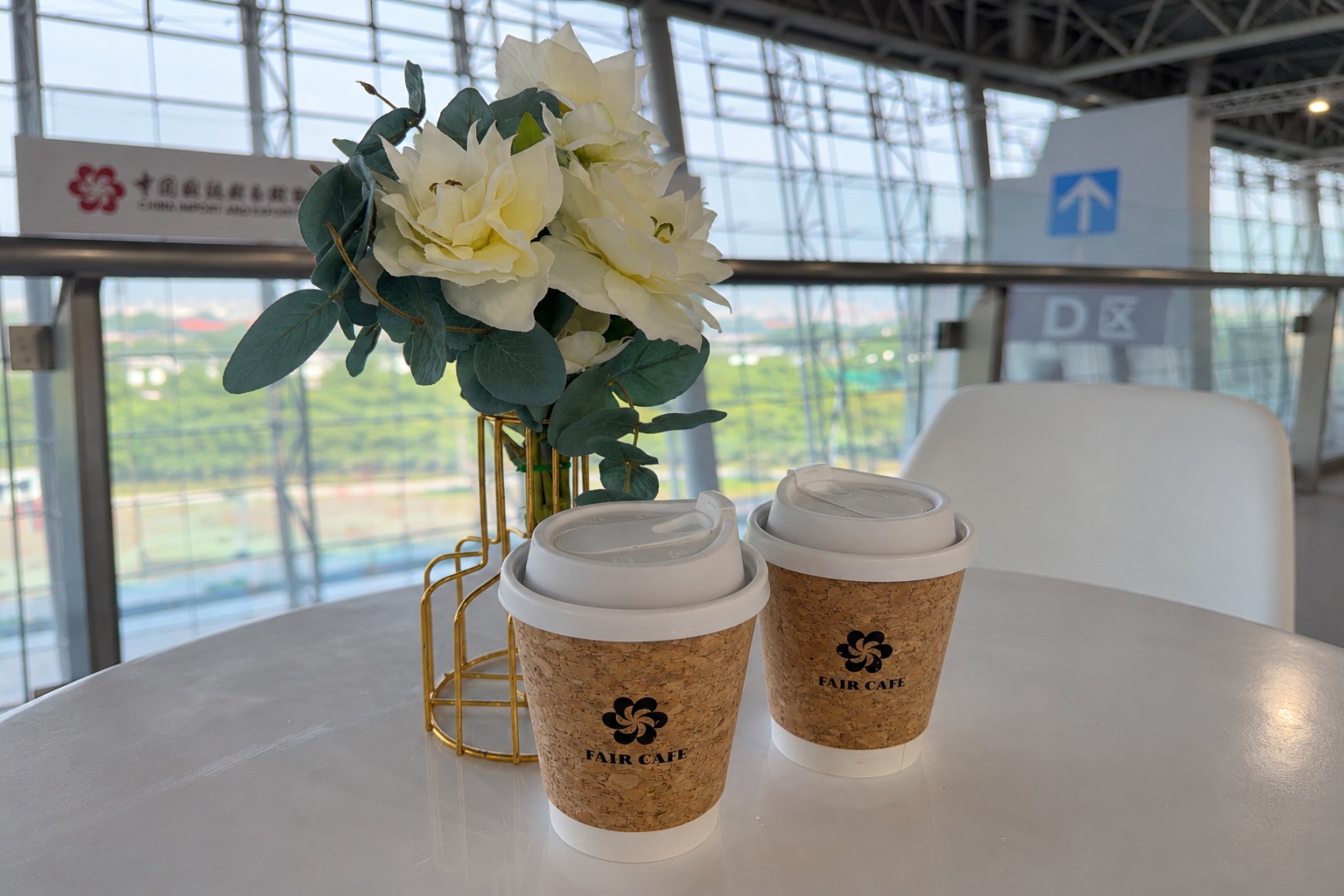 By Phase 3, coffee had become part of the operating model.
What Phase 3 confirmed
The strongest opportunity is not access to a single cheap product. It is access to a manufacturing ecosystem with enough depth to turn a clear idea into something distinctive.
Relationships matter because product development is a sequence of decisions, not a single transaction. Expectations still need to be realistic, prices still need to work for both sides and quality still needs to be verified.
The fair gave us possibilities. The shortlist and factory visits will determine which of them are real.
Denis and Polina, Guangzhou