
Kanton-Messe, Phase 2: Warum Auswahl bei Fliesen und Badausstattung entscheidend ist
- Messe
- 140. Canton Fair
- Guangzhou
- 15. Oktober bis 4. November 2026
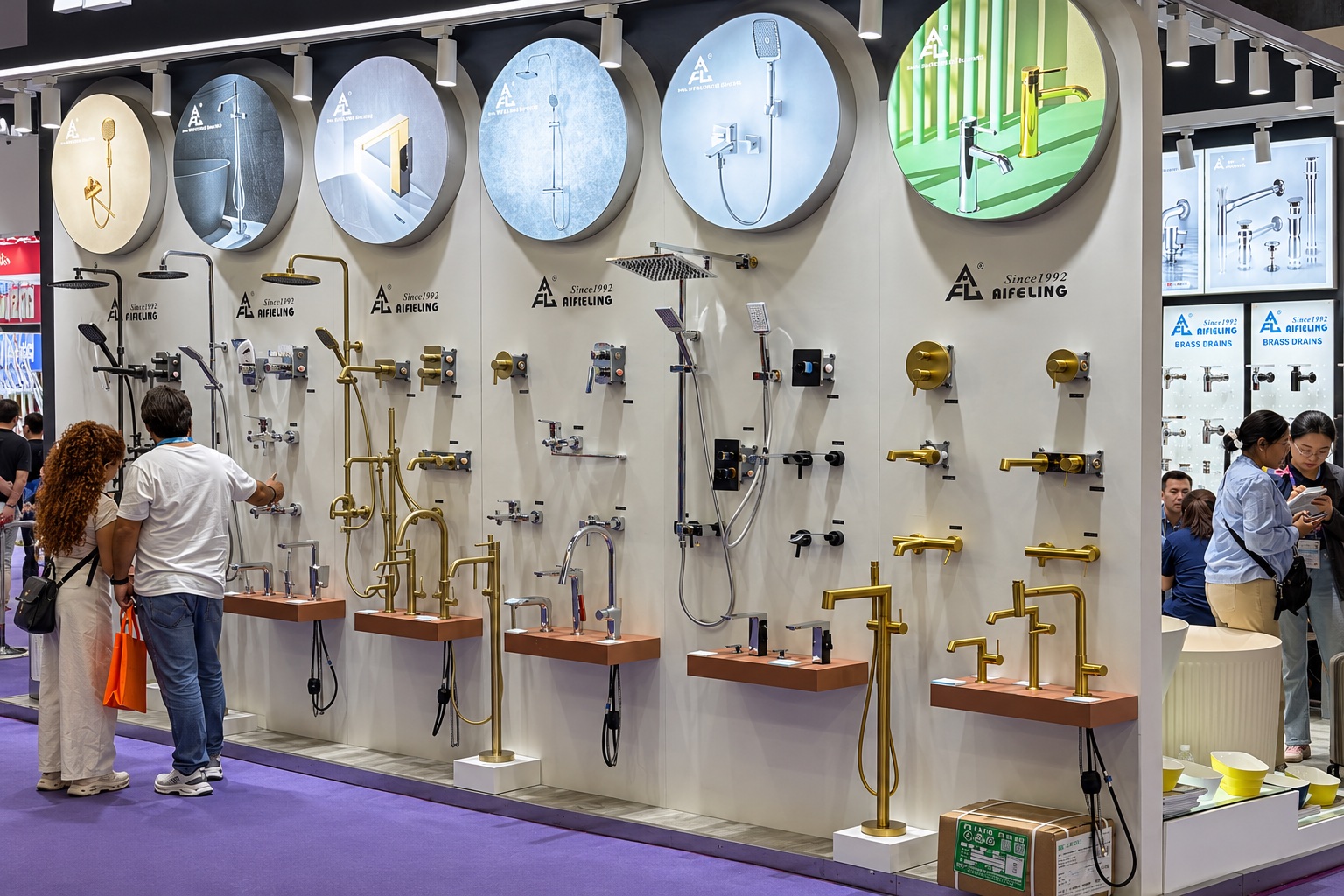 The range of finishes, formats and component combinations was one of the clearest differences in Phase 2.
Phase 2 of the Canton Fair made one thing very clear: the opportunity is not simply that products can cost less in China. It is that the range of available products can be dramatically wider.
Bathroom fittings, tiles and plumbing components were the strongest examples. In a large Swiss home-improvement store, a buyer may be offered two or three colours in a particular range. The selection in the UAE is often broader. At the fair in Guangzhou, the number of finishes, dimensions, mechanisms and design variations was on another scale.
The surprise was not lead time. It was choice.
Choice is a commercial advantage
Choice matters because a buyer is not limited to accepting the nearest available version of a product. It becomes possible to build a more coherent range for a specific market, price point or design language.
That does not mean every variation should become a stock item. More choice can create more complexity, and complexity has a cost. The value lies in being able to select the right combinations rather than being forced into a narrow catalogue.
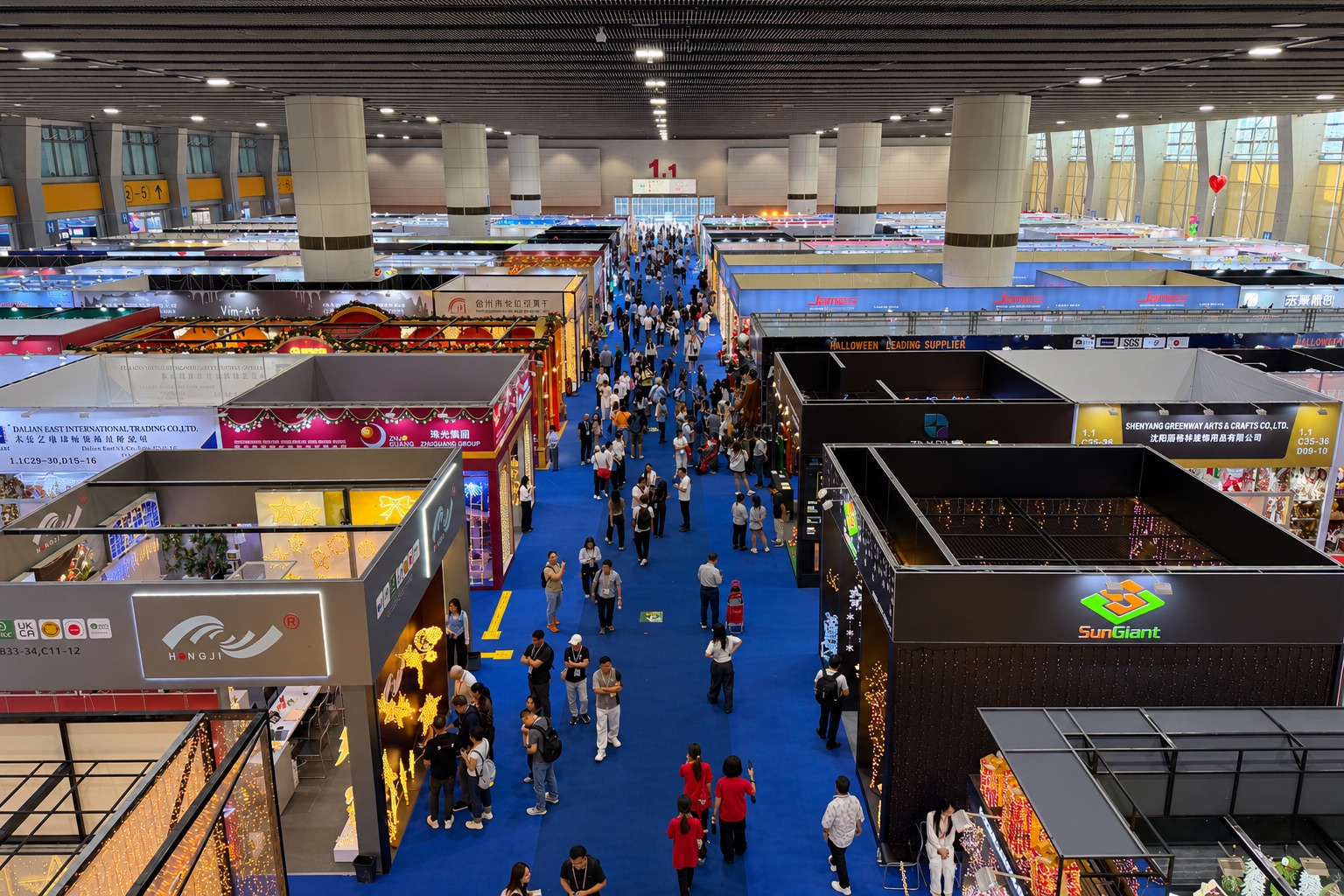 The scale of the fair is not just visual. It allows buyers to compare many approaches to the same category in one place.
A house, component by component
The breadth of the plumbing offer was particularly striking. Taps and shower systems attracted attention first, but behind the visible products were drains, valves, concealed mechanisms, connectors and the many smaller parts that determine whether a complete installation works.
Walk enough of the halls and it starts to feel possible to source most of a house component by component.
That possibility needs discipline. A beautiful tap is not useful if its cartridge is unreliable, its dimensions do not suit the target market or replacement parts are unavailable. Tiles must be checked for consistency, calibration, slip resistance and the relevant standards. Plumbing components need the same scrutiny around materials, pressure ratings and certification.
The fair is excellent for discovering what exists. It is not a substitute for technical verification.
Transport does not erase the opportunity
Tiles are heavy and breakable, so the ex-factory price is only the beginning of the calculation. Packaging, freight, insurance, duties, handling and an allowance for breakage all belong in the landed cost.
Even after allowing for those realities, some of the offers remained commercially interesting. The opportunity was not based on pretending that every tile would arrive intact. It came from the combination of price and access to designs that are difficult to find in our target markets.
That is an important distinction. A low unit price can disappear quickly when logistics are handled badly. A well-packed, well-selected product can still make sense after the full cost is included.
MOQ is a conversation, not a universal rule
Minimum order quantities varied widely.
Some suppliers asked for 1,000 to 3,000 pieces of one design, sometimes with only limited colour variation. Others were more interested in the total order: fill a container, or reach a minimum order value, and the mix could be more flexible.
Neither model is automatically unreasonable. Production changeovers, materials, packaging and quality control all cost money. A price for 100 pieces cannot be the same as a price for 1,000 pieces, and every party in the chain needs to make a margin.
The useful question is not whether a supplier has an MOQ. It is whether the MOQ matches the market opportunity, and whether both sides can agree on a realistic way to start.
Price makes sense in context
We saw products that appeared overpriced and others that looked very fair. As in Phase 1, the quotation alone did not tell the whole story.
Volume, specification, materials, packaging and payment terms all affect the number. So does the relationship. Suppliers are more likely to invest time in a buyer who communicates clearly, understands the production constraints and has a credible plan for repeat business.
That does not mean accepting any price in the name of a relationship. It means comparing like with like, understanding what drives the cost and negotiating in an order that gives both sides a reason to continue.
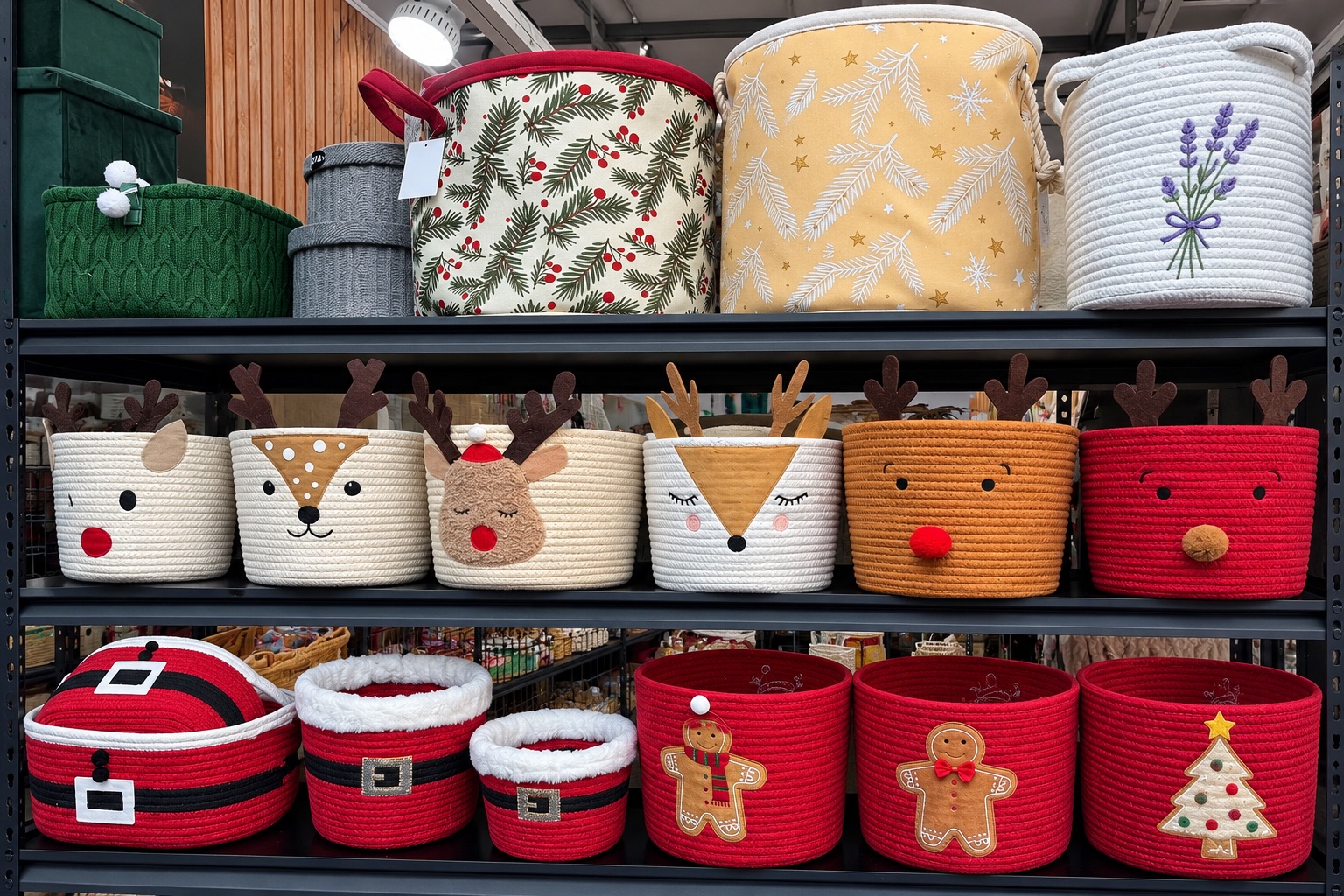 The same lesson appeared beyond construction products: variation is useful when it serves a clear range, not when it creates uncontrolled complexity.
What moves to the shortlist
The best Phase 2 opportunities are not simply the products with the lowest quotations. They are the suppliers that can combine range, consistent quality, workable order quantities and clear communication.
The next work is narrower and less visible: compare specifications, calculate landed costs, request samples and identify which factories deserve a visit.
China can offer an extraordinary amount of choice. The commercial task is deciding which choices are worth making.
Denis and Polina, Guangzhou