
Kanton-Messe, Phase 1: Die eigentliche Arbeit beginnt nach der Messe
- Messe
- 140. Canton Fair
- Guangzhou
- 15. Oktober bis 4. November 2026
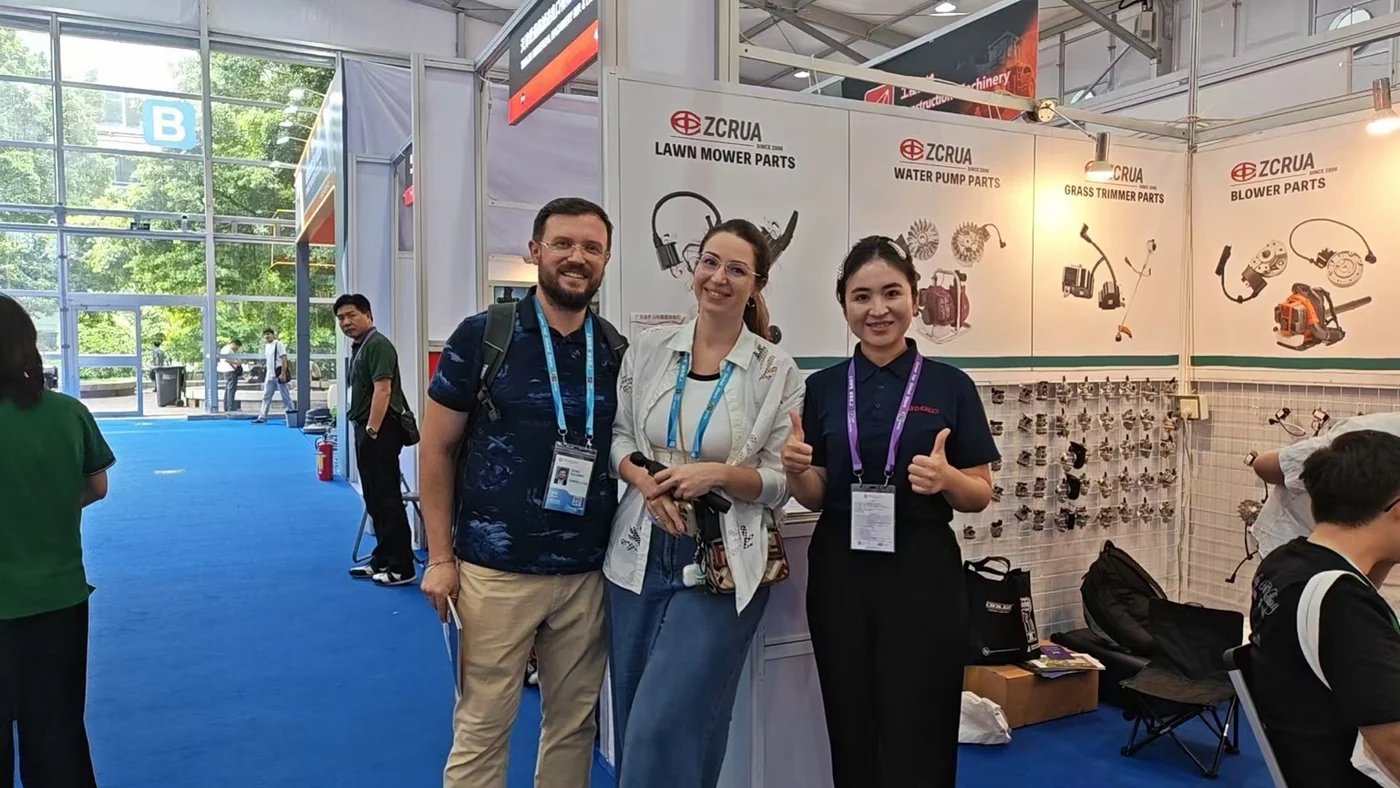 Meeting exhibitors and exploring different product categories during Phase 1.
Several days into the Canton Fair, we've seen smart kitchen scales, robotic coffee machines, leg-assist exoskeletons, AI-powered picture printing and industrial automation equipment that deserves a second look.
We came to Guangzhou with a clear understanding of the markets we're interested in, but without a fixed product list. That gave us room to explore unfamiliar categories while testing the commercial potential of products we did recognise.
As Phase 1 draws to a close, we're leaving with something more useful than a stack of catalogues: a manageable shortlist and a plan for what comes next.
Some things we didn't expect
The range of technology has been remarkable. A machine might catch your attention because it's clever, even if it isn't something you're likely to trade. At other stands, the most interesting discovery comes from asking what else a manufacturer can build.
We were especially struck by the practical side of automation. Beyond finished consumer products, much of the equipment on display is designed to help businesses produce, process, package or move things more efficiently.
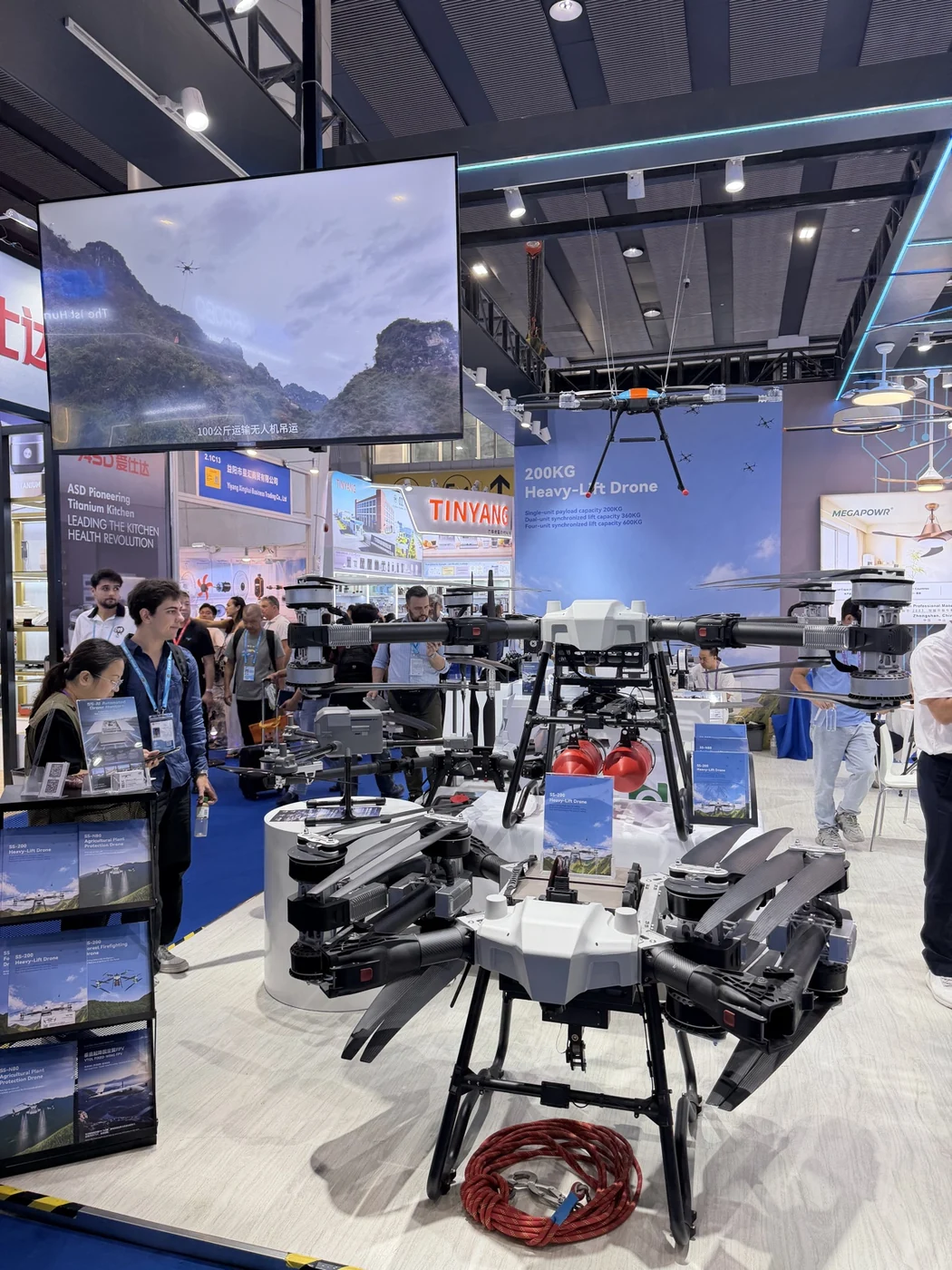 One of the industrial drone displays that caught our attention.
The price tag is not a quality certificate
We expected price differences between suppliers. We didn't expect some of the differences we found.
In one comparison, a product quoted at almost three times the price appeared to have worse finish and build quality than a cheaper alternative. In some cases, the more expensive offer also came with a higher minimum order quantity.
That doesn't automatically make the cheaper product the better choice. Sample quality is only one part of the picture. Components, consistency, certifications, warranties and after-sales support all need checking.
Still, seeing those differences side by side was a useful reminder: an expensive quotation isn't proof of a superior product. And a competitive price isn't enough on its own. Research matters.
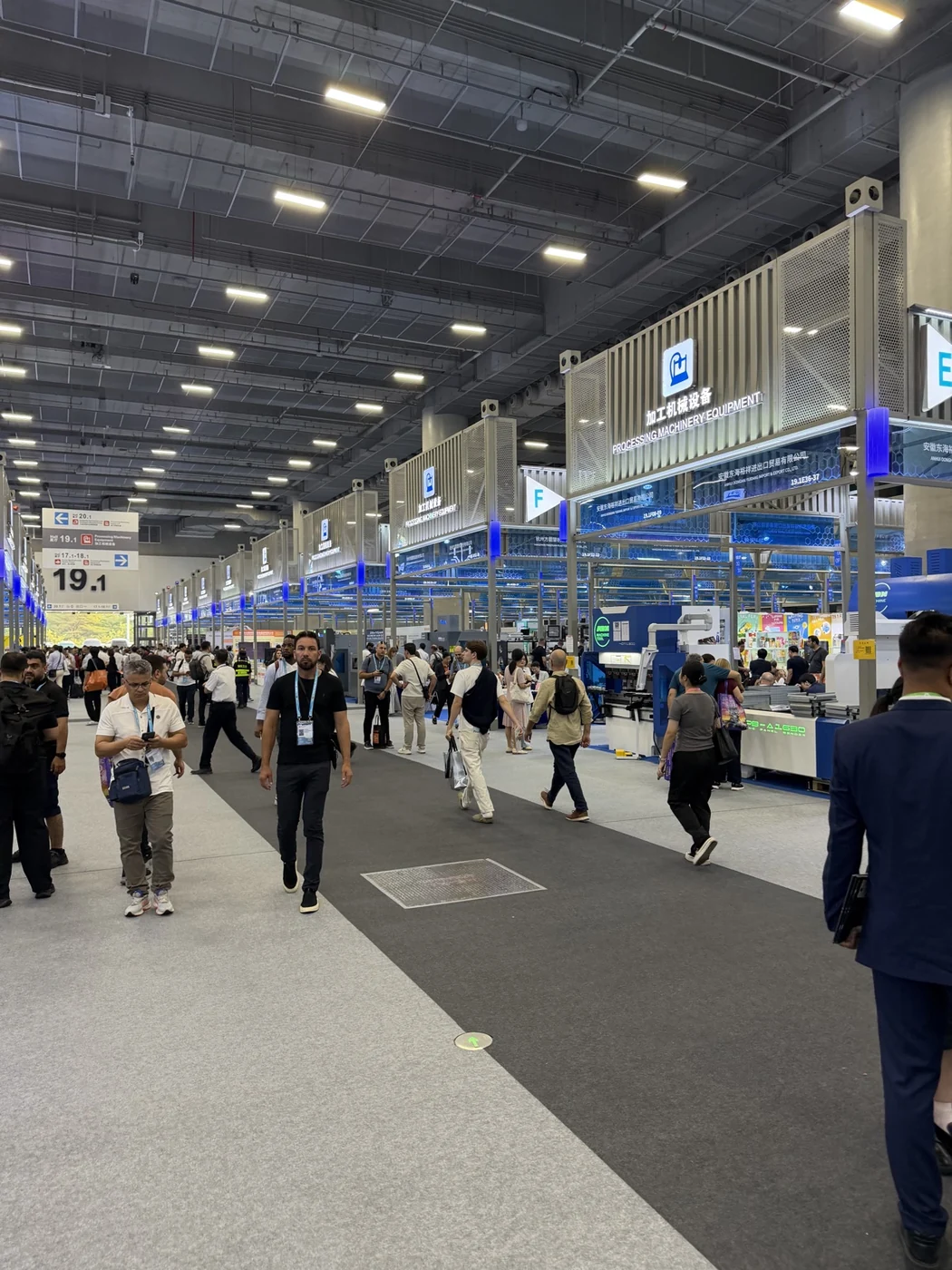 Comparing offers is only part of the work. The exhibition floor is where the questions begin.
A shortlist, not a shopping list
We now have no more than five manufacturers we'd like to pursue seriously.
They're on that list for different reasons. Some because of the products. Others because of apparent quality, technical capabilities or longer-term potential.
None is an approved supplier yet. We still have to assess demand in our target markets, specifications, landed costs, compliance and whether production can match what's being promised.
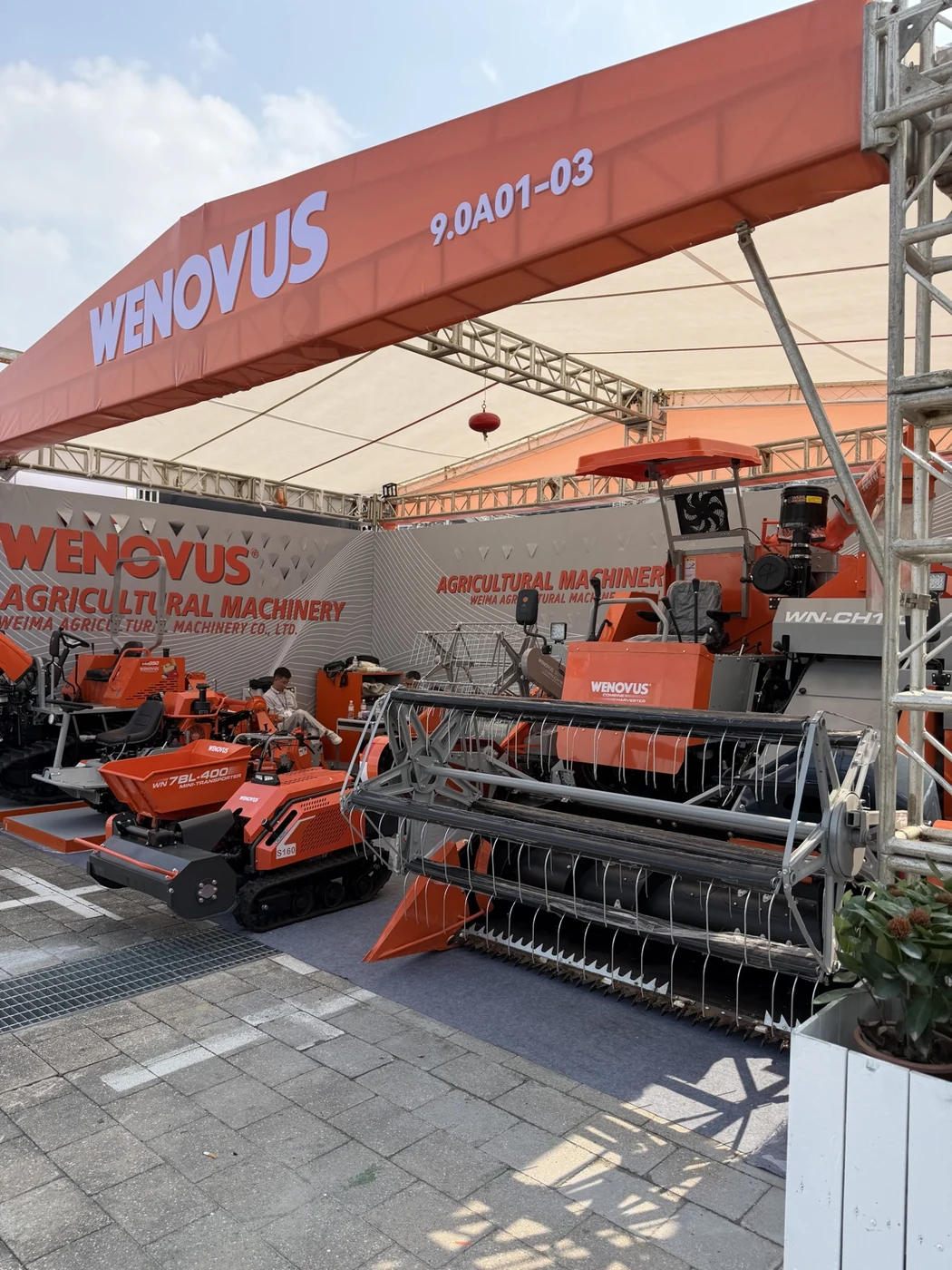 From everyday products to large machinery, Phase 1 covered a great deal of ground.
Next stop: the factories
Several manufacturers invited us to visit their facilities, and we're planning to do exactly that after the fair.
A good booth and a convincing conversation are encouraging. But we want to see how production is organised, how quality is checked and how the manufacturer handles the less glamorous parts of fulfilling an order.
Some of these opportunities will become more promising. Others may not survive closer examination. That's a normal part of building a sourcing business, and it's why we're taking the time to look beyond the exhibition stands.
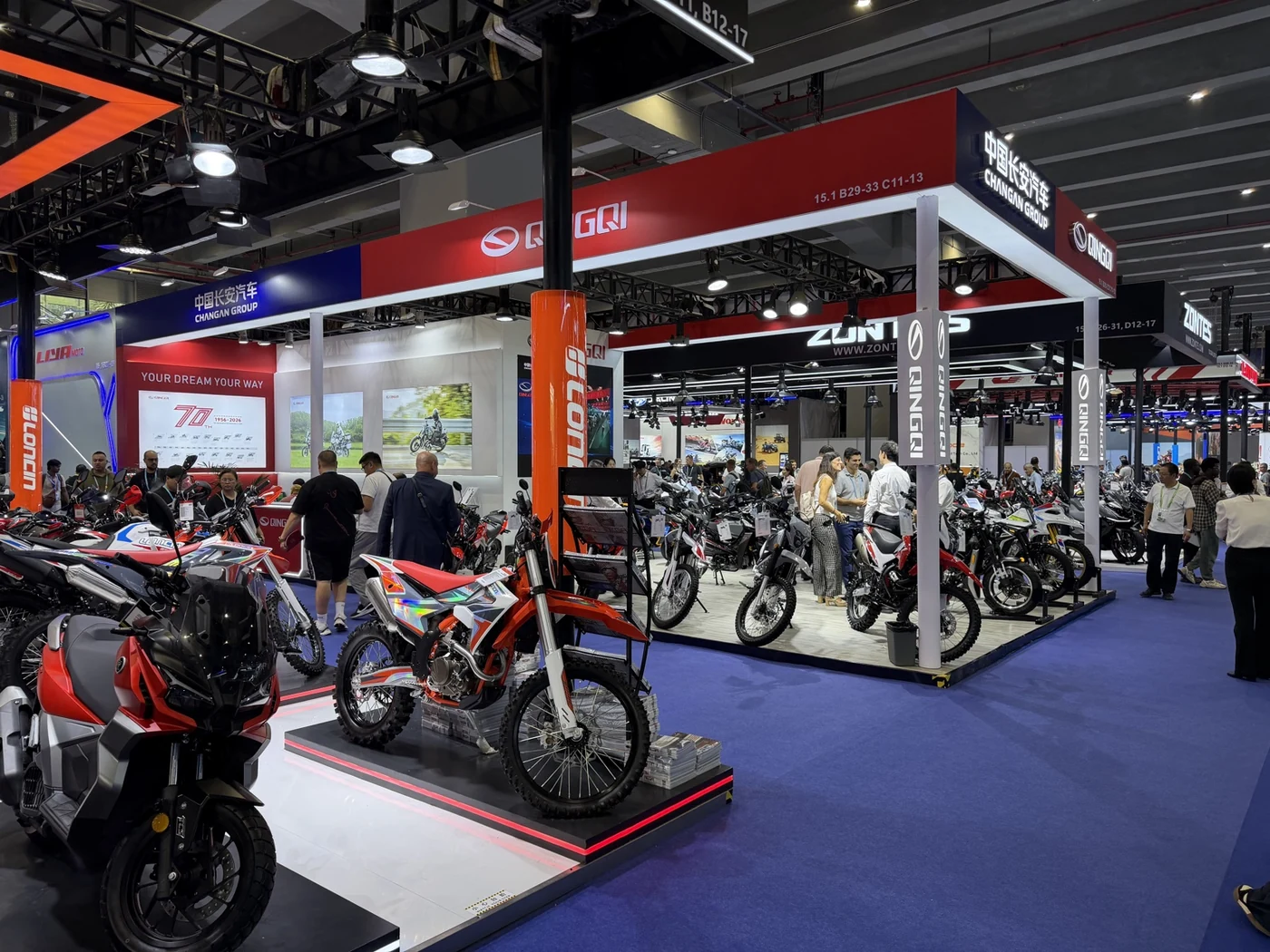 The range of products on display makes it easy to take an unexpected detour.
What comes next
For Emerald Oak, the real work begins after these first conversations: factory visits, samples, verification, logistics and commercial calculations.
We're building the company step by step, and we'll keep sharing the discoveries and decisions that shape it, without publishing our partners' confidential commercial information.
And yes, the comfortable shoes were worth it.
Denis and Polina, Guangzhou